Address
Omega Towers, 301, 9th Ln Rajarampuri, Kolhapur, Maharashtra 416008
Work Hours
Monday to Friday: 9AM - 5PM
Saturday: 9AM to 1 PM
Address
Omega Towers, 301, 9th Ln Rajarampuri, Kolhapur, Maharashtra 416008
Work Hours
Monday to Friday: 9AM - 5PM
Saturday: 9AM to 1 PM

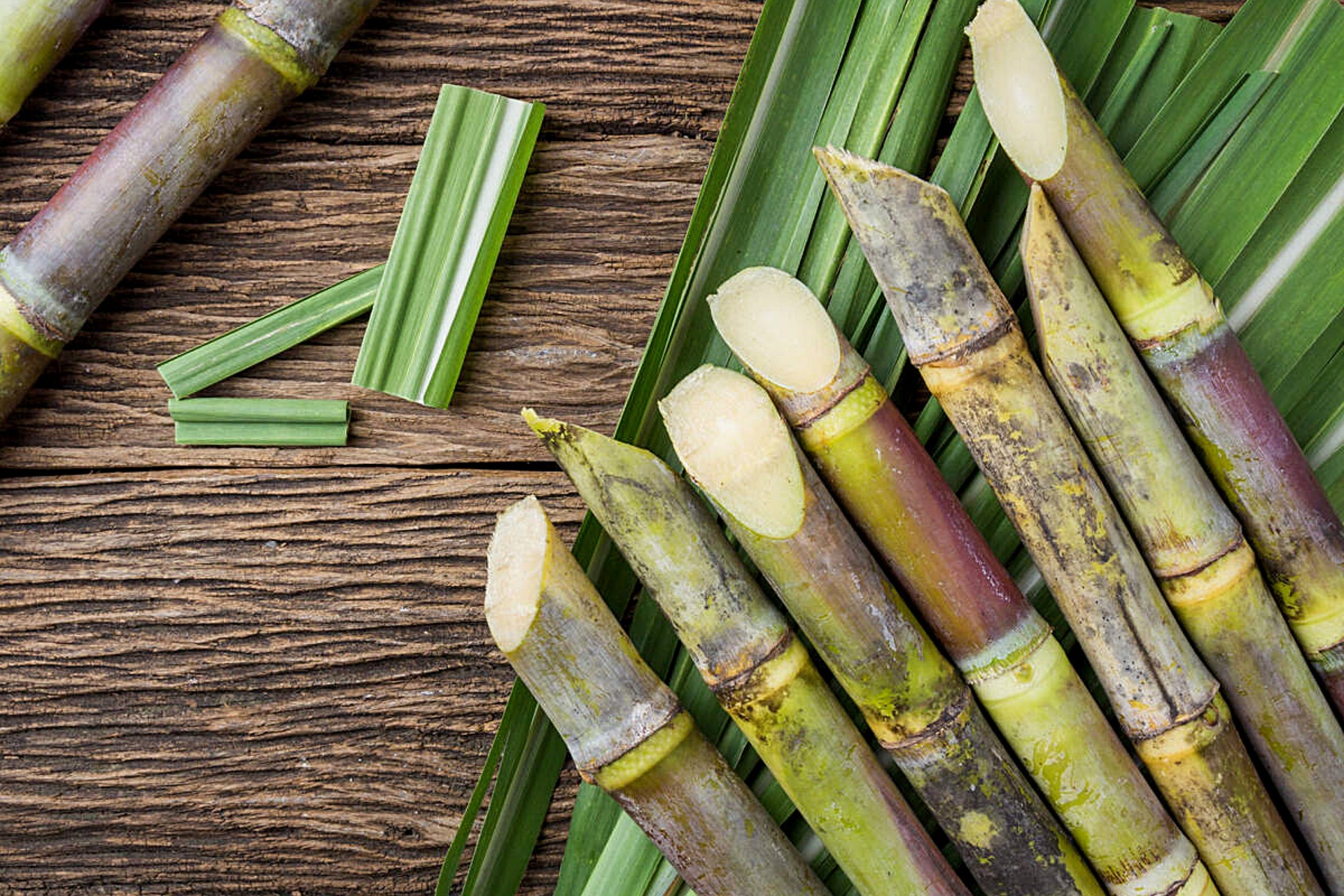
Ethanol, often known as ethyl alcohol, is a liquid with numerous applications. It is known as rectified spirit since it is 95 percent pure and is utilized as the intoxicating element in alcoholic beverages. Ethanol is used to combine with gasoline since it is 99 percent pure or higher. Sugar fermentation was used to make ethanol in ancient times, and it is still used to make more than 50% of industrial ethanol today.
According to the Ministry of Environment and Forests, mills will not need extra environmental approval to create additional ethanol from B-heavy molasses. The decision comes at a time when the country is experiencing a severe sugar glut, and the central government has taken several steps to solve the structural problem.
Why Focus on the Production of Ethanol?
Mills currently have record-high sugar inventories, and they’ve been at odds with farmers over unpaid dues. Mill owners claim that overproduction of sugar and a drop in its price is to blame for their problems. In these circumstances, ethanol is the only viable option for mills and cane growers alike.
The government has approved an increase in the price of ethanol purchased by public sector oil marketing organizations from sugar mills for blending with gasoline beginning December 1 for the 2019-20 supply year. The Cabinet Committee on Economic Affairs also approved the conversion of old sugar into ethanol, which should aid mills in dealing with current sugar overproduction and making prompt payments to farmers for cane delivery.
The government has reached an ethanol blend of 8% and expects to achieve a 10% blend by the current fiscal year. The government has increased the incentives for ethanol derived from B heavy molasses from 62.65 to 63.45 and for ethanol extracted from C heavy molasses from 45.69 to 46.66, to achieve 20 percent blending by 2025.
At the same time, the price of maize ethanol is around Rs. 4000 and rice is around Rs 4400. Furthermore, the FCI has set the price of rice for ethanol production in FY 2020-21 at 20,000/MT and has maintained it for the following year. 1 MT of B heavy molasses, C-heavy molasses, and rice cost Rs 930,906, Rs 736,967, and Rs 1,551,510 respectively. The cost of ethanol produced from broken grains should fall. This would encourage the industrial sector to invest in grain-based distilleries, which would assist meet the country’s ethanol need of 800 million liters to meet the 20% blend requirement.
Since January 2021, the Union Food Ministry has approved 196 projects with a combined capacity of 859.11 crore liters of ethanol per year.
The government approved an interest subversion scheme in December 2020 for grain-based distilleries or expanding existing ethanol plants. However, the scheme’s benefits were confined to freestanding distilleries that used the dry milling method. The initiative also permitted new dual-feed distilleries or current dual-feed facilities looking to expand, as well as those looking to convert from single feed (molasses/grain) to dual feed, to apply for finance.